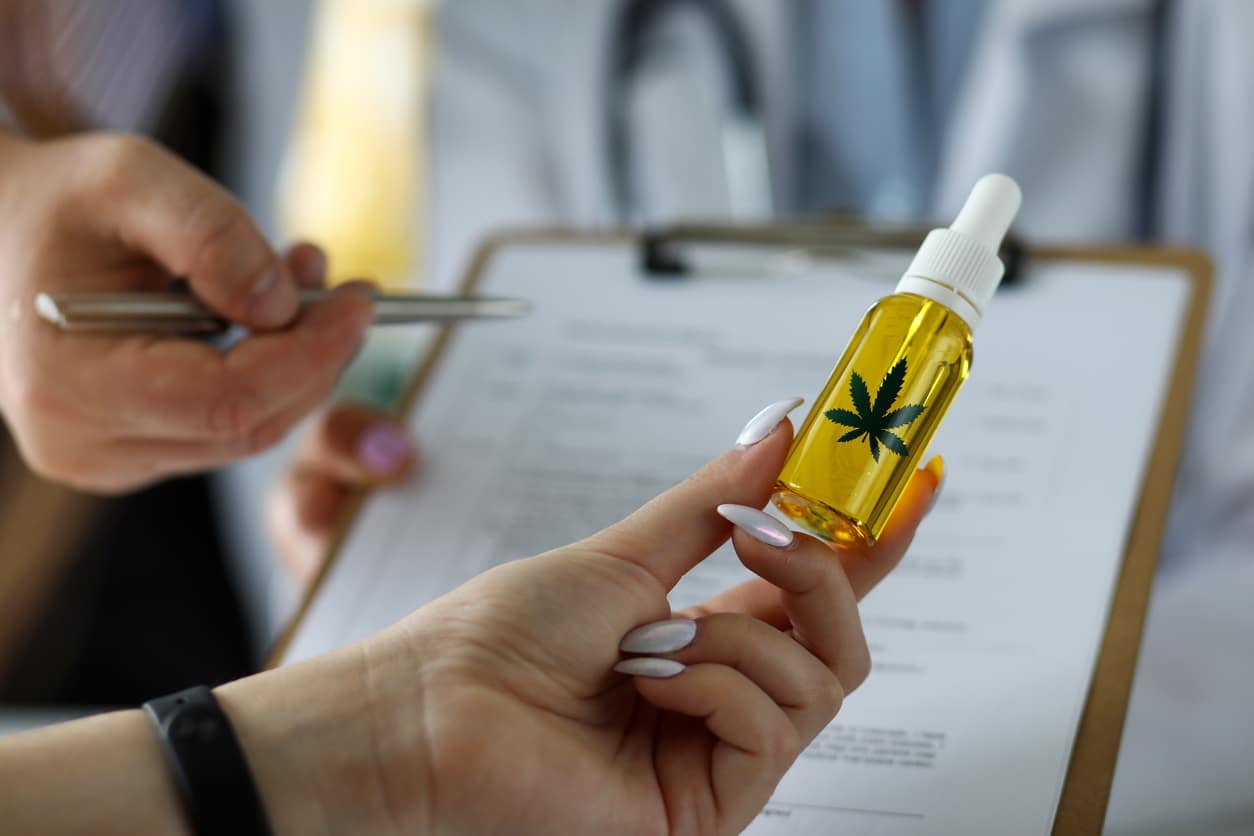
Many people exploring medical cannabis in Alabama are surprised to learn that having a qualifying medical condition is only the first step in the process. The state’s medical cannabis program, established under the Darren Wesley “Ato” Hall Compassion Act, sets several key requirements, and being clear about these steps can save you time and frustration.
Montgomery Menu Talladega Menu

Who Can Qualify for Medical Cannabis in Alabama?
Only Alabama residents age 19 or older can apply for a medical cannabis card in their own name. For those under 19, a parent or legal guardian must register as the caregiver. Eligibility is determined by a combination of residency, diagnosis, and physician certification, not just a medical condition alone.
To qualify, you must:
- Be an Alabama resident. Proof of residence is required for all applicants.
- Be at least 19 years old (or have a parent or legal guardian as caregiver if under 19).
- Have a diagnosis of at least one qualifying medical condition (see below).
- Receive a recommendation from a state-registered certifying physician, Callie’s offers a physician-finder to help you locate eligible doctors in your area.
- Register with the Alabama Medical Cannabis Commission (AMCC) patient registry and receive your medical cannabis card before entering a dispensary or purchasing any product. Only those with a valid AMCC-issued card are allowed to buy medical cannabis in Alabama.
Full registration requirements and frequently asked questions are available on the AMCC Patients & Caregivers hub.

What Conditions Are Eligible?
The Alabama Medical Cannabis Commission lists the following qualifying conditions for medical cannabis certification:
- Autism Spectrum Disorder
- Cancer-related chronic pain or weight loss
- Crohn’s Disease
- Depression
- Epilepsy and seizure disorders
- HIV/AIDS-related nausea or weight loss
- Panic Disorder
- Parkinson’s Disease
- Persistent (non-pregnancy related) nausea
- Post-Traumatic Stress Disorder (PTSD)
- Sickle Cell Anemia
- Spasticity linked to ALS, multiple sclerosis, or spinal cord injuries
- Terminal illnesses
- Tourette’s Syndrome
- Chronic pain when conventional therapies or opiates cannot or should not be used
Having a diagnosis of one or more qualifying conditions does not automatically guarantee you will receive a recommendation. Certification must come from a physician registered with the AMCC who verifies your health history and that conventional treatments have not been effective, unless medical cannabis is considered standard care for your condition.
Caregivers for Patients Under 19 or Needing Assistance
Alabama allows registered caregivers to assist eligible patients. For minors, only a parent or legal guardian can be the registered caregiver. For adults, a caregiver may be a parent, legal guardian, grandparent, spouse, or someone with valid healthcare power of attorney. Both patient and caregiver must hold valid AMCC cards for dispensary access and purchases.

What Else You Should Know
Alabama has strict rules about medical cannabis use. Products are available only in non-smokable forms, such as capsules, tablets, tinctures, topicals, patches, and certain ingestible or inhalable non-flower options. State law prohibits raw cannabis flower, anything to be smoked or vaped, and products meant for recreational use. Out-of-state medical cards are not recognized; only Alabama-issued cards are accepted.
If you have questions about card steps or documentation, explore Callie’s full walkthrough in How To Get an Alabama Medical Cannabis Card, or visit Alabama’s official qualifying conditions FAQ.
At Callie’s Apothecary, we provide support and medication access for registered Alabama patients and their caregivers at both our Montgomery and Talladega dispensaries. If you’re ready to learn more, browsing our education hub is a good next step.