
Alabama’s medical cannabis program introduces a range of new terms and concepts for registered patients and caregivers. Patients who are new to medical cannabis or seeking a clearer understanding before their first dispensary visit can use this glossary for plain-language explanations, all tailored for Alabama’s unique system.

Getting Started with Alabama Medical Marijuana
What is the AMCC?
The Alabama Medical Cannabis Commission (AMCC) oversees the state’s medical cannabis program. The AMCC sets patient eligibility, product rules, and dispensary regulations. You’ll interact with the AMCC when applying for or renewing your Alabama medical cannabis card. For more on cannabis legality in Alabama, visit Cannabis Laws Explained.
What is an Alabama Medical Cannabis Card?
An Alabama medical cannabis card confirms that you have been approved by a registered certifying physician and entered into the official patient registry. Only qualified patients with current cards can purchase medical cannabis from dispensaries like Callie’s Apothecary. Need details on qualifying and applying? See our Application Guide.
What is a Qualifying Condition?
Qualifying conditions are the specific medical diagnoses approved by the state for medical cannabis eligibility. Only patients with one or more of these state-listed conditions, and a physician’s recommendation, can apply for an Alabama medical cannabis card. Visit the AMCC’s website for the most current list of qualifying conditions, or review our “Who Qualifies” blog.
What is a Daily Allotment in Alabama?
Your daily allotment is the maximum amount of medical cannabis you are allowed to purchase or possess each day, as set by Alabama law and your physician’s recommendation. These limits help ensure safe, responsible access. The details will be shared when you receive your recommendation.
What Does Route of Administration Mean?
This refers to how medical cannabis is introduced into the body. Alabama approves certain routes, such as oral, sublingual, topical, or inhalable (but not smokable flower). Your certifying physician and dispensary staff can help you understand the options available for your needs.
Understanding Cannabis
What is THC?
Tetrahydrocannabinol (THC) is one of the main active compounds in cannabis. It can produce psychoactive effects and is also what most regulations monitor in terms of potency and daily limits. Alabama products are labeled with THC content so registered patients can select options that align with their plan. Learn more about product types here.
What is CBD?
Cannabidiol (CBD) is another major compound found in cannabis. Unlike THC, CBD does not produce a psychoactive effect and is often discussed for its potential role in a patient’s overall wellness plan. Products available in Alabama may contain CBD alone or in varying ratios with THC.
What is Indica vs. Sativa vs. Hybrid?
These terms refer to broad categories of cannabis plant varieties. “Indica” and “sativa” are historical terms often used to describe certain growth patterns or cannabinoid profiles, while “hybrid” refers to blends. In regulated Alabama products, your focus should be on lab test results and physician guidance; the label details are more reliable than these general categories.
What are Terpenes?
Terpenes are aromatic compounds found in cannabis and other plants. They help produce distinct scents and flavors and may play a role in a product’s overall profile. In Alabama, products sometimes include terpene content on labels to help patients make informed selections.
Medical Cannabis Products
What is a Tincture?
Tinctures are liquid cannabis extracts made for precise dosing. They are typically taken orally or sublingually (under the tongue) and are popular among patients who value control and discretion in their regimen.
What are Gel Cubes?
Gel cubes are soft, edible products, similar in appearance to gummies, that deliver measured amounts of medical cannabis. These are favored by some Alabama patients for their accurate dosing and straightforward administration.
What are Topicals?
Topicals are creams, lotions, or balms infused with cannabis and meant for application directly to the skin. Alabama permits certain topical forms for registered patients; these typically do not produce psychoactive effects.
Dosing & Labels
What Does “Start Low, Go Slow” Mean?
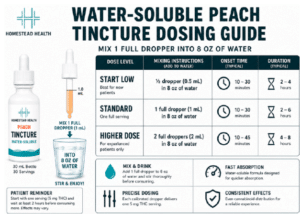
This phrase is a guiding principle for new medical cannabis patients: begin with small amounts and gradually increase, as needed and as recommended by your physician. Because effects can vary based on cannabinoid levels and route of administration, patience and communication with your certifying provider are important. What to Expect at Callie’s offers more advice for new patients.
What is a Microdose?
A microdose is a very small amount of THC or CBD, often used by patients under a physician’s advice to assess sensitivity or response. Microdosing is about finding an appropriate level for desired effects without overconsumption, tailored to Alabama’s regulatory framework.
What Does Full-Spectrum Mean?
Full-spectrum refers to products made with a whole-plant extract, containing multiple cannabinoids and terpenes. Labels will usually specify if a product is full-spectrum or if it contains just a single active cannabinoid.
What Does Lab Tested Mean?
Lab tested signifies that a product’s contents and potency have been verified by a state-approved laboratory. In Alabama, all medical cannabis products sold at licensed dispensaries like Callie’s Apothecary must meet strict lab standards set by the AMCC.


